





Mumbai — In the glittering world of Bollywood, where spectacle and grandeur often rule, one director carved a lasting legacy through quiet realism, warmth, and stories of ordinary lives. Hrishikesh Mukherjee, affectionately known as “Hrishi-da,” remains one of Indian cinema’s most revered filmmakers — a pioneer of “middle cinema” who elevated simple, human tales into timeless classics.
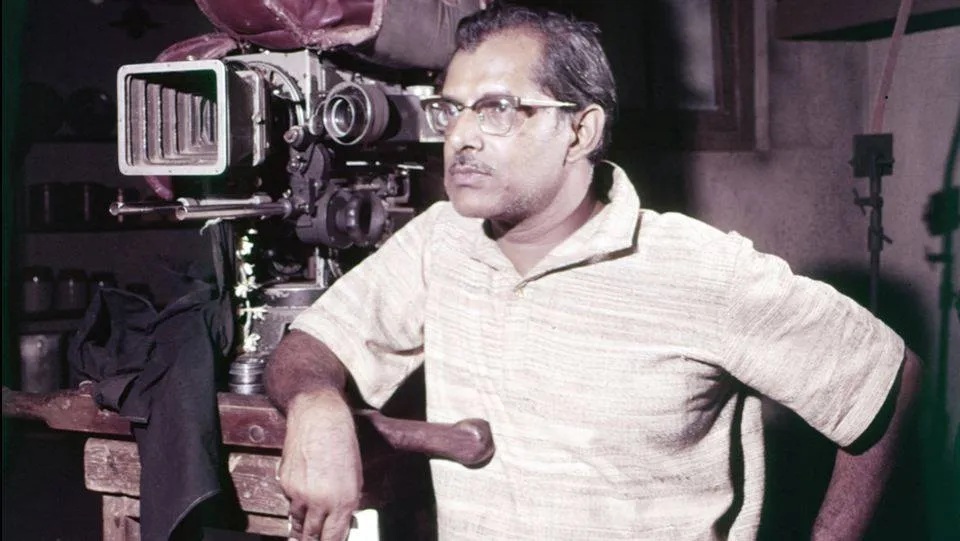
Born on 30 September 1922 in Calcutta (now Kolkata), Mukherjee began his career as a cameraman and editor at New Theatres before moving to Mumbai. There he worked closely with mentor Bimal Roy on landmark films such as Do Bigha Zamin and Devdas. His own directorial debut, Musafir (1957), met with limited success, but Anari (1959) announced his arrival. Over four decades, he directed 42 films that reflected the changing ethos of India’s middle class.
Mukherjee’s genius lay in his ability to walk a middle path — between the extravagance of mainstream commercial cinema and the stark realism of art-house films. His stories were deceptively simple yet deeply insightful: the dignity of honesty in Satyakam, the bittersweet joy of living in Anand, the playful linguistic comedy of Chupke Chupke, the family chaos and eventual harmony of Gol Maal and Khubsoorat, and the tender coming-of-age tale of Guddi.
He had a rare gift for extracting natural, heartfelt performances. Rajesh Khanna and a young Amitabh Bachchan shared the screen in the unforgettable Anand (1971). Jaya Bhaduri made her Hindi cinema debut in Guddi. Dharmendra revealed a comic side in Chupke Chupke. Films like Abhimaan, Bawarchi, Namak Haraam, Anupama, and Aashirwad further showcased his range — from domestic drama and social commentary to light-hearted satire.
Mukherjee’s films celebrated everyday values: integrity, empathy, humour, and quiet resilience. They avoided melodrama and spectacle, relying instead on sharp writing, nuanced direction, and an unpretentious style that resonated across generations. His work earned him the Dadasaheb Phalke Award in 1999, the Padma Vibhushan in 2001, multiple National Film Awards, and several Filmfare Awards. He also served as chairman of the Central Board of Film Certification and the National Film Development Corporation.

Hrishikesh Mukherjee passed away on 27 August 2006 in Mumbai at the age of 83 after a long battle with kidney failure. Yet his cinema endures. In an industry often driven by larger-than-life heroes and high-octane drama, Hrishi-da’s simple, classic stories continue to remind audiences of the beauty in ordinary lives — a legacy that keeps him forever among Bollywood’s greatest directors.