



By Sonu Tyagi Founder, Approach Entertainment & Go Spiritual
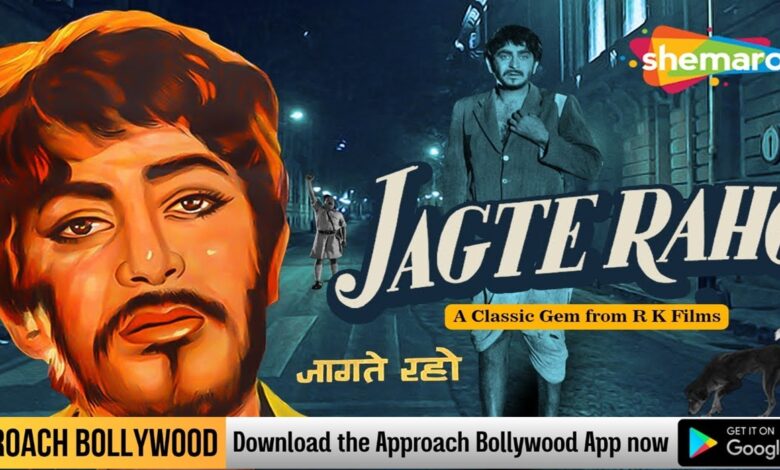
Some films entertain. A few enlighten. And then there are rare gems that hold up a mirror to society while touching the deepest chords of the human soul. Jagte Raho (1956), produced by Raj Kapoor under R.K. Films and co-directed by Sombhu Mitra and Amit Maitra, belongs to that exalted category. It stands as one of the finest and most profound works in Raj Kapoor’s illustrious career — a bold social satire wrapped in masterful storytelling, unforgettable performances, and sublime music.
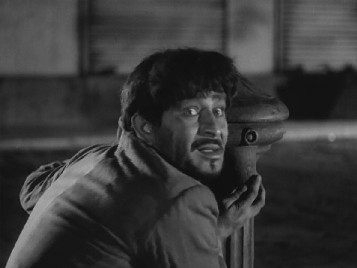
The plot is deceptively simple yet profoundly layered. A poor, innocent villager (Raj Kapoor), thirsty and desperate for work in the big city, enters a sprawling middle-class apartment complex late at night in search of water. What follows is a nightmarish chase as the “respectable” residents mistake him for a thief and hunt him relentlessly from flat to flat. While hiding, the naive peasant becomes an unwilling witness to the hypocrisy, corruption, greed, immorality, and hidden crimes of these so-called civilized people — the very ones who outwardly project decency and morality. The film unfolds almost like a dark fable, building relentless tension as the protagonist navigates this urban jungle of illusions.
The screenplay, co-written by Sombhu Mitra, Amit Maitra, and with dialogues by the legendary K.A. Abbas, is sharp, intelligent, and deeply satirical. It never preaches, yet every sequence exposes the stark contrast between appearance and reality. The structure — a single night of pursuit — creates a claustrophobic, almost dreamlike intensity that keeps you completely engaged from start to finish.
Raj Kapoor’s performance as the nameless peasant is nothing short of iconic. In his signature Chaplinesque style — this time clad in a simple dhoti — he brings innocence, vulnerability, resilience, and quiet dignity to the role. Without much dialogue in the initial stretches, he conveys volumes through expressive eyes, physical comedy, and raw emotion. The supporting cast is equally brilliant: Motilal (in the Hindi version), Pradeep Kumar, Sumitra Devi, Smriti Biswas, Pahari Sanyal, Iftekhar, and the charming young Daisy Irani as the little girl who restores the peasant’s self-belief. Nargis makes a memorable cameo in the climax as the temple singer, adding a divine, redemptive touch.

The dialogues are crisp, poetic, and laced with irony. They cut deep into societal hypocrisies while remaining natural and impactful. The characters are not caricatures but carefully observed portraits of urban middle-class pretensions — each one revealing a different shade of moral decay.
What elevates Jagte Raho from a social drama to a spiritually resonant classic is its deeper message. The film urges us to “stay awake” — not just to external threats, but to the illusions and falsehoods within ourselves and society. It reminds us that true thirst (for truth, justice, and inner peace) cannot be quenched by material comforts or false respectability. The ending, with its beautiful spiritual undertone — the peasant finally finding water and solace as the divine call of “Jaago Mohan Pyaare” echoes — carries a powerful bhakti message: awakening to the inner light of truth and the eternal presence of the Divine even in the darkest of nights.
Salil Chowdhury’s music is pure magic and forms the soul of the film. Composed with rare sensitivity, the songs perfectly complement the narrative. Mukesh’s soulful “Zindagi Khawab Hai” philosophically questions the nature of reality, while Lata Mangeshkar’s haunting “Jaago Mohan Pyaare” (in Raag Bhairav) infuses the climax with profound spiritual energy. Other gems like “Main Koi Jhoot Boleya” add both melody and meaning. The lyrics by Shailendra and Prem Dhawan are timeless.
Seventy years later, Jagte Raho remains strikingly relevant. It won the Crystal Globe Grand Prix at the Karlovy Vary International Film Festival and continues to be celebrated as a landmark of parallel and mainstream cinema. For Raj Kapoor, it showcased his courage as a producer and his brilliance as an actor who could champion the common man with both empathy and artistry.

In today’s world of superficial facades and digital illusions, Jagte Raho is a much-needed spiritual and social reminder: Stay awake. Look beyond appearances. Seek truth. And remember that real peace comes only when we awaken to our higher self.
If you haven’t revisited this masterpiece, do it now. Jagte Raho is not just cinema — it is a profound life lesson wrapped in unforgettable art.
Jai Ho to the eternal spirit of Raj Kapoor and to films that awaken the soul.
Jagte Raho. Jagte Raho.
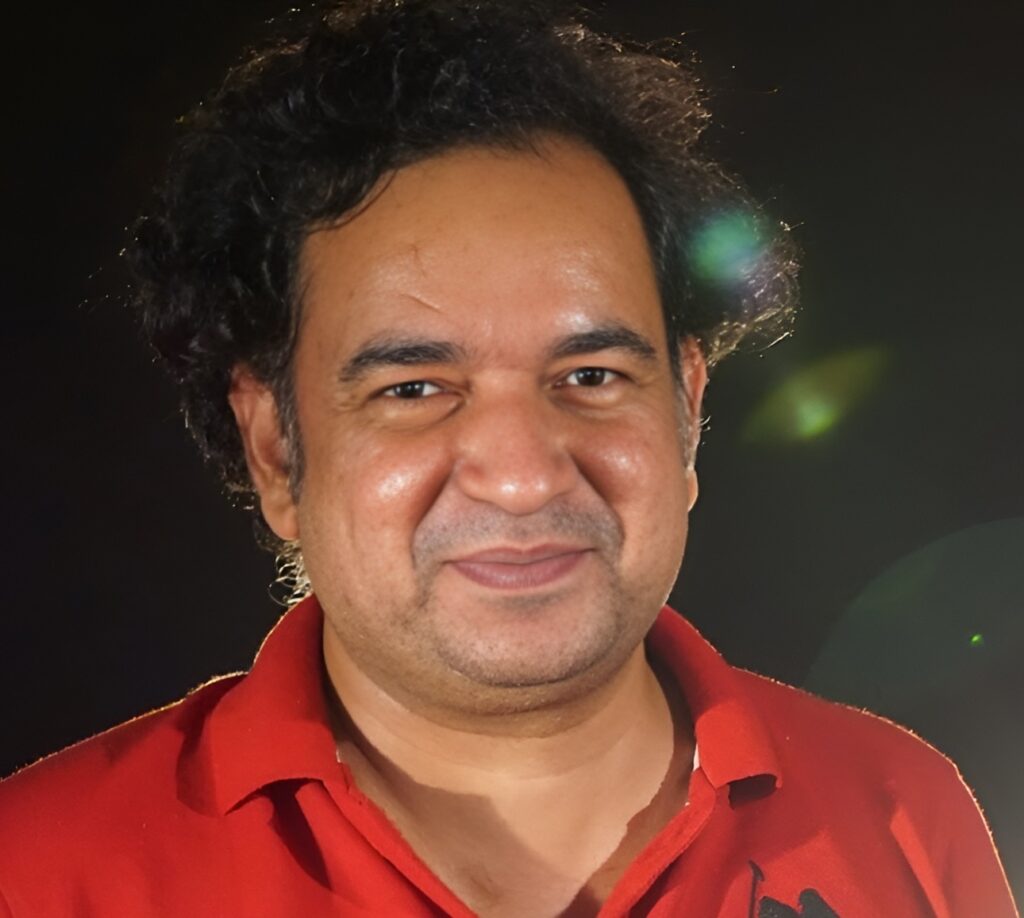
Sonu Tyagi: Sonu Tyagi is an award-winning writer, director, and producer with a distinguished background in journalism and advertising. As the visionary founder of Approach Entertainment—a leading celebrity management, films production, advertising & corporate films productions, films marketing, events & entertainment marketing firm—along with Approach Communications (India’s premier PR, Digital and integrated communications agency), Approach Bollywood (a dedicated entertainment news wire), and Go Spiritual (a spiritual organization promoting spirituality, mental wellness, and social impact), he has redefined the landscape of Indian media and entertainment. Discover more at www.approachentertainment.com and www.sonutyagi.com