


Last Vegas: A Classic Celebration of Friendship, Laughter and the Joy of Growing Older Without Growing Old



By Sonu Tyagi
Founder, Approach Entertainment & Go Spiritual
For Approach Bollywood
Some films entertain you for two hours and disappear from memory. Others stay with you because somewhere beneath the entertainment, they understand life. Last Vegas is one of those films for me. Released in 2013 and directed by Jon Turteltaub from a screenplay by Dan Fogelman, the film brings together Michael Douglas, Robert De Niro, Morgan Freeman, Kevin Kline and Mary Steenburgen in a warm, funny and surprisingly emotional story about friendship, ageing, love, loss and the simple importance of continuing to live.
The basic idea is wonderfully simple. Billy, Paddy, Archie and Sam have been friends since childhood. Life has taken them in different directions, but when Billy decides to marry his much younger girlfriend, the old friends reunite in Las Vegas for his bachelor party. What begins as a celebration soon becomes much more. Old wounds reopen, friendships are tested, love unexpectedly appears, and four men who are supposed to be confronting old age discover that life can still surprise them.
That simplicity is one of the film’s greatest strengths. Last Vegas never needs an unnecessarily complicated plot because its real story is about these four men. Their friendship is the screenplay’s heartbeat. We believe that they have known each other for decades because their affection comes mixed with irritation, arguments, secrets, memories and the freedom to tell each other uncomfortable truths.
Michael Douglas is excellent as Billy. He gives the character charm and confidence, but underneath that successful exterior is a man frightened of ageing and loneliness. His decision to marry a 31-year-old woman initially looks like the beginning of a conventional bachelor-party comedy, but gradually we understand the insecurity behind it. Billy does not simply want to get married; he is desperately trying to convince himself that he can escape growing older.

Robert De Niro brings a completely different emotional energy to Paddy. He is grieving the death of his wife Sophie and remains angry with Billy for failing to attend her funeral. De Niro’s performance gives the film its emotional weight. Paddy can be stubborn, bitter and difficult, but his pain feels genuine. The unresolved history involving Billy, Paddy and Sophie also gives the friendship a depth that goes far beyond comic situations.
Morgan Freeman is an absolute delight as Archie. Watching him escape the restrictions imposed by his overprotective family and rediscover excitement in Las Vegas is among the film’s greatest pleasures. Whether he is gambling, dancing or simply enjoying the freedom of being with his oldest friends, Freeman brings effortless warmth and comic timing to the character.
And then there is Kevin Kline as Sam. His comic timing is superb. Sam arrives in Las Vegas with his own unusual marital arrangement and determination to prove that he still has some adventure left in him. Yet even his funniest situations eventually reveal something meaningful about marriage, loyalty and what he genuinely values. Kline understands exactly how far to push a joke without turning Sam into a caricature.
Mary Steenburgen’s Diana is equally important. She is not simply inserted as a romantic device. Her maturity, humour and emotional intelligence bring balance to the group. Through Diana, Billy is forced to question whether he really wants the life he is planning or whether he is simply afraid of the life he already has.

Dan Fogelman’s screenplay deserves special appreciation because it constantly moves between comedy and emotion without making either feel artificial. A casino win, a nightclub, a swimsuit competition, a huge bachelor party, romantic misunderstandings and the madness of Las Vegas provide plenty of comic situations, but beneath them are conversations about loneliness, marriage, bereavement, friendship and mortality.
The dialogues work especially well because these characters speak like people who have earned the right to insult one another. The teasing has affection behind it. The arguments have history behind them. And when the film becomes serious, those emotional conversations matter because we have already begun believing in the friendship.
Jon Turteltaub also understands something important: when you have Michael Douglas, Robert De Niro, Morgan Freeman, Kevin Kline and Mary Steenburgen together, you do not need to overwhelm them with filmmaking tricks. Give great actors good situations, allow their personalities to collide and let chemistry do the rest.
Las Vegas itself becomes the perfect backdrop. It represents excess, youthfulness, reinvention and the possibility of becoming someone different for a night. Putting four lifelong friends at this stage of their lives into that environment creates both the comedy and the film’s larger message: growing older does not mean becoming old inside.
What I particularly appreciate about Last Vegas is its positive attitude towards ageing. The film never suggests that these men need to become young again. Instead, it suggests something far more meaningful: they need to start living fully again. Archie needs freedom. Paddy needs to release his grief. Sam needs to rediscover his marriage. Billy needs to stop running from his age and recognise what he truly wants.
And through all of this, friendship remains the constant.
The old bottle of scotch carried from their youth becomes a beautiful symbol of that friendship. Years pass, people change, marriages happen, loved ones leave us and disagreements create distance, but some relationships remain connected to who we once were. Even when the friends finally discover that the treasured drink is not quite as wonderful as memory suggested, the moment beautifully captures one of the film’s ideas: perhaps what mattered was never the bottle. It was the people with whom they had waited all those years to open it.
That is why I would happily call Last Vegas a classic feel-good friendship comedy. Not because it attempts to reinvent cinema, but because it understands its characters and knows exactly what kind of film it wants to be.
It makes you laugh. It makes you smile. At moments, it makes you emotional. Most importantly, it reminds you that friendship has no retirement age, love can arrive when you least expect it, and there should never be an age limit on enjoying life.
For me, Last Vegas is ultimately not a film about four older men going to Las Vegas. It is a film about four friends remembering that they are still alive.
And that is what makes it such a joyful, warm and wonderfully entertaining classic.
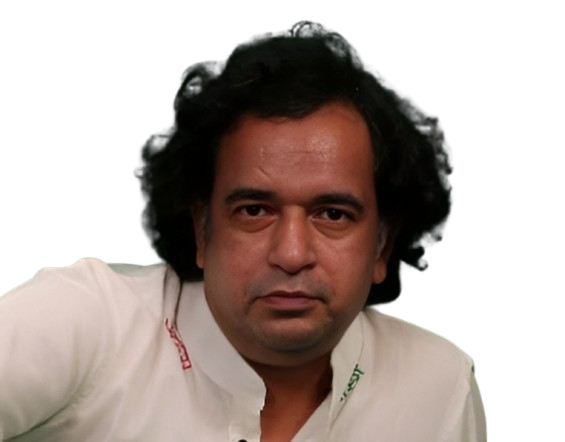
— Sonu Tyagi
Founder, Approach Entertainment & Go Spiritual
For Approach Bollywood
Sonu Tyagi is an award-winning writer, director, producer and media entrepreneur, and Founder of Approach Entertainment and Go Spiritual. With over two decades of experience, he works across celebrity management, film production, advertising and corporate films, film marketing, events, public relations, digital communications and media. He also heads Approach Communications and Approach Bollywood, a Bollywood and entertainment newswire, portal and app. A Psychology graduate with professional studies in Advertising Management, Journalism and Filmmaking, Tyagi combines entertainment and communications with spirituality and social impact through Go Spiritual, promoting spiritual awareness, mental wellness, compassion, philanthropy and holistic living.